
← ← Назад к статьям
Kyrgyzstan launches national stablecoin pegged to som, while Tajikistan remains cautious
📅 30.10.2025
⏱️ 3 минут чтения
⭐ 5.0/5
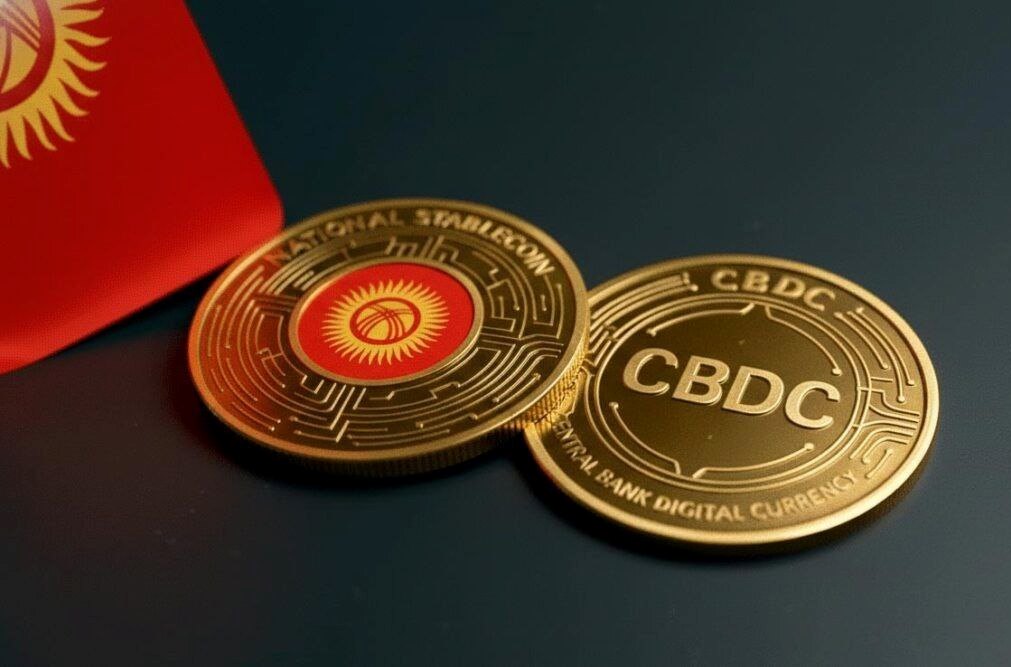
Kyrgyzstan has officially launched its first national stablecoin, becoming one of the first countries in the region to do so. The digital currency, called KGST, is pegged 1:1 to the Kyrgyz national currency, the som, and operates on Binance’s BNBChain blockchain platform.
The announcement was made by Changpeng Zhao, founder of Binance and current advisor to Kyrgyz President Sadyr Japarov on digital assets.
In parallel, the National Bank of Kyrgyzstan is also preparing to launch a central bank digital currency (CBDC) for use in state-level payments, which is expected to be tested soon for government transactions.
A national stablecoin is a digital currency issued under the supervision of a government or central bank and pegged to the national currency. Unlike private stablecoins like USDT, these tokens are regulated and backed by state institutions.
Kyrgyzstan aims to become a regional crypto hub
At a recent meeting of the National Council for the Development of Virtual Assets and Blockchain Technologies, President Japarov highlighted Kyrgyzstan’s growing role in the global digital asset landscape, noting the country ranked 19th in the latest Global Crypto Adoption Index.
He emphasized the importance of combining “human capital, effective regulation, and a strong tech base” to build a sustainable and trustworthy digital ecosystem. Key advantages, he said, include a flexible institutional environment, a digitally savvy youth, and ongoing digitalization in public services.
“These factors make it realistic to turn Kyrgyzstan into a regional hub for virtual assets,” Japarov stated.
Changpeng Zhao, who was appointed as a presidential advisor in May 2025, also announced plans to launch training and consultation programs for Kyrgyz professionals working on national digital currency development.
Earlier this year, the Kyrgyz government also revealed plans to launch USDKG, a gold-backed stablecoin pegged to the U.S. dollar, intended for cross-border transfers within Central Asia, with future expansion into the Middle East and Southeast Asia. The Ministry of Finance pledged $500 million to back the token, with plans to grow that reserve to $2 billion.
Tajikistan lags behind in digital currency development
Meanwhile, Tajikistan has yet to begin official development of its own digital currency. Initial media reports from September 2021 suggested that a digital somoni (E-SOM) was in the works through a partnership between Orionbonk and Fantom Foundation, a blockchain platform.
However, the National Bank of Tajikistan (NBT) quickly denied these claims, stating that no agreements had been signed with Fantom Foundation.
In August 2023, NBT officials said that necessary preconditions must be established before any move toward a digital somoni. While they expressed hope for future development, especially as non-cash transactions become more common, no official progress has been reported since.
For now, Kyrgyzstan leads the region in state-backed digital asset development, while Tajikistan remains in a wait-and-see mode as the digital finance landscape continues to evolve.
Kyrgyzstan has officially launched its first national stablecoin, becoming one of the first countries in the region to do so. The digital currency, called KGST, is pegged 1:1 to the Kyrgyz national currency, the som, and operates on Binance’s BNBChain blockchain platform.
The announcement was made by Changpeng Zhao, founder of Binance and current advisor to Kyrgyz President Sadyr Japarov on digital assets.
In parallel, the National Bank of Kyrgyzstan is also preparing to launch a central bank digital currency (CBDC) for use in state-level payments, which is expected to be tested soon for government transactions.
A national stablecoin is a digital currency issued under the supervision of a government or central bank and pegged to the national currency. Unlike private stablecoins like USDT, these tokens are regulated and backed by state institutions.
Kyrgyzstan aims to become a regional crypto hub
At a recent meeting of the National Council for the Development of Virtual Assets and Blockchain Technologies, President Japarov highlighted Kyrgyzstan’s growing role in the global digital asset landscape, noting the country ranked 19th in the latest Global Crypto Adoption Index.
He emphasized the importance of combining “human capital, effective regulation, and a strong tech base” to build a sustainable and trustworthy digital ecosystem. Key advantages, he said, include a flexible institutional environment, a digitally savvy youth, and ongoing digitalization in public services.
“These factors make it realistic to turn Kyrgyzstan into a regional hub for virtual assets,” Japarov stated.
Changpeng Zhao, who was appointed as a presidential advisor in May 2025, also announced plans to launch training and consultation programs for Kyrgyz professionals working on national digital currency development.
Earlier this year, the Kyrgyz government also revealed plans to launch USDKG, a gold-backed stablecoin pegged to the U.S. dollar, intended for cross-border transfers within Central Asia, with future expansion into the Middle East and Southeast Asia. The Ministry of Finance pledged $500 million to back the token, with plans to grow that reserve to $2 billion.
Tajikistan lags behind in digital currency development
Meanwhile, Tajikistan has yet to begin official development of its own digital currency. Initial media reports from September 2021 suggested that a digital somoni (E-SOM) was in the works through a partnership between Orionbonk and Fantom Foundation, a blockchain platform.
However, the National Bank of Tajikistan (NBT) quickly denied these claims, stating that no agreements had been signed with Fantom Foundation.
In August 2023, NBT officials said that necessary preconditions must be established before any move toward a digital somoni. While they expressed hope for future development, especially as non-cash transactions become more common, no official progress has been reported since.
For now, Kyrgyzstan leads the region in state-backed digital asset development, while Tajikistan remains in a wait-and-see mode as the digital finance landscape continues to evolve.

